Adopt A Tree - Cape Town
The best time is to have plant a tree is 20 years ago, and the next best time is now.


Congratulations! When you open this article, you have survived Cape Town’s sweltering summer. If you are here to see how to adopt a tree for free, scroll down to The Adopt A Tree Initiative for more info.
You’re probably used to reading titles about summers set to be the hottest on record, but your bodily cells aren’t. Stepping out onto the streets, the heat makes them scream.
And what we’re facing seems grand and indefeasible—a mixture of Urban Heat Island Effect and Climate Change. Even worse, things are trending against our hope—the urban communities are turning into literal hot pots.
In places like Cape Town, shade—like so many other resources—is still largely restricted to formerly white-only areas, once again revealing how little our cities have truly transformed, even after more than 30 years of democratic governance.
Heat Watch Cape Town showed a 16.3 degree difference within Cape Town. Some barely-treed neighbourhoods (e.g, Woodstock) underwent the 40-degree heatwave, and meanwhile, their well-treed counterparts (e.g., Newlands) enjoyed a warm 30-degree breeze.
Urban forestation has been proven to have a direct cooling effect on urban areas. And the benefit is not limited to this—reduce stress, collect carbon, remove air pollution, and even increase property prices!
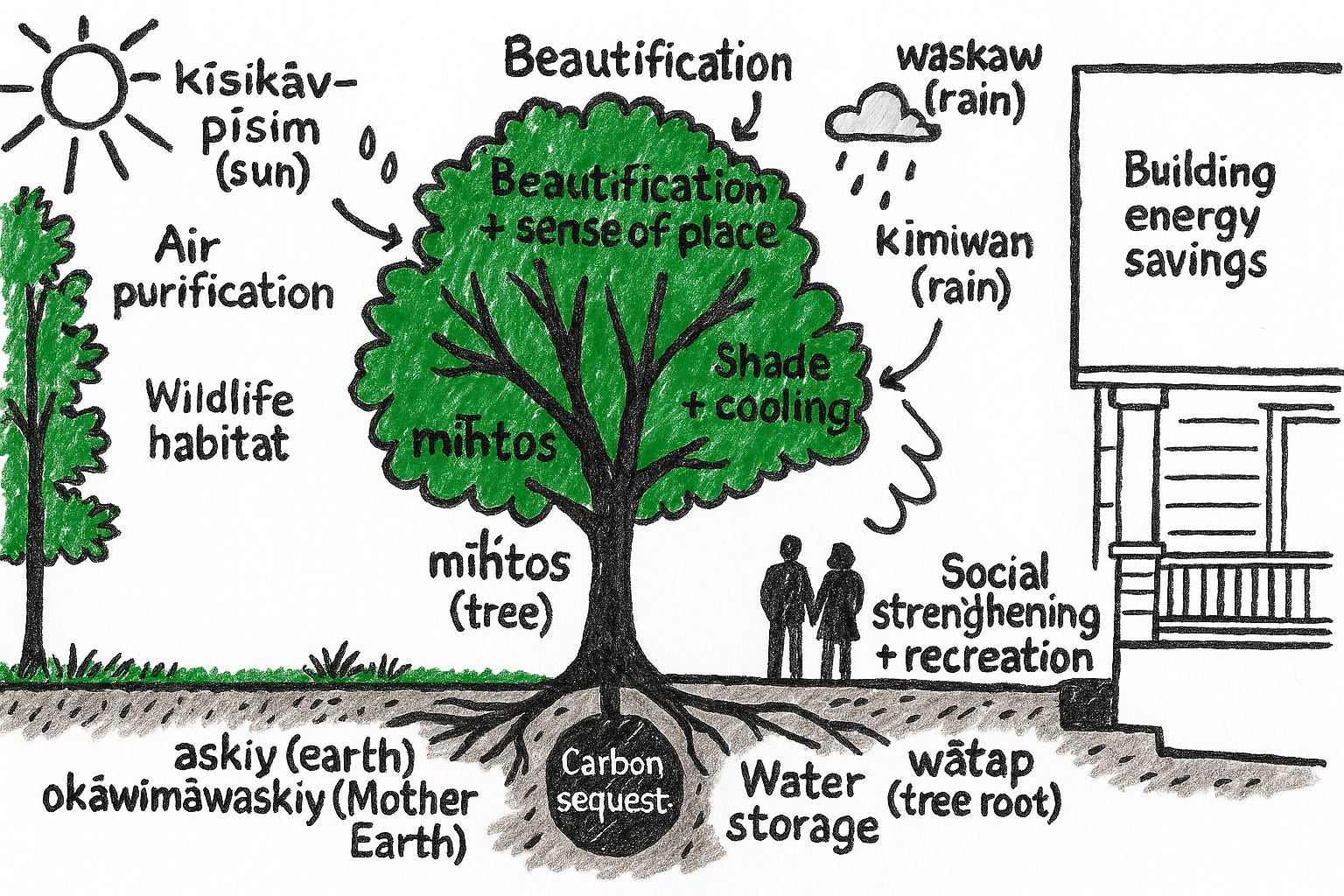
The Tree Crisis in Cape Town
Other than the divide our city has when it comes to shade, here are some facts that paint a very bleak picture that affects everyone in our Mother city:
From 2001 to 2023, the City of Cape Town lost 39% of its tree cover (12.4 kilo hectares)
Between 2021 to 2023, almost half (44%) of the loss in tree cover in the City of Cape Town happened in non-natural tree covers, comparable to the loss in natural ones (56%), showing a serious loss in urban forest.
Only about 2,150 trees were planted by the City during the 2023-24 fiscal year, declining from about 3,380 in the 2021-22 fiscal year.
The factors contributing to our loss of shade are complex — from water scarcity and invasive species to limited capacity, beetles infestations, and more. But a major, and preventable, factor is that lost trees are not being replaced in a timely manner.
All the data points to the same conclusion: we need to take action now to combat urban deforestation and preserve our urban forests.
Why should we help?
This shouldn’t be solely a government effort—while more resources could certainly be allocated to tree-planting, we at YU are working on ways to support that. But this is also something you and your community can start doing today.
The best time is to have plant a tree is 20 years ago, and the next best time is now. Before we tell you how, we have put together a cartoon series contextual to Cape Town to explain the significance of simply having more shade part of everyday life as a growing urbanised country:
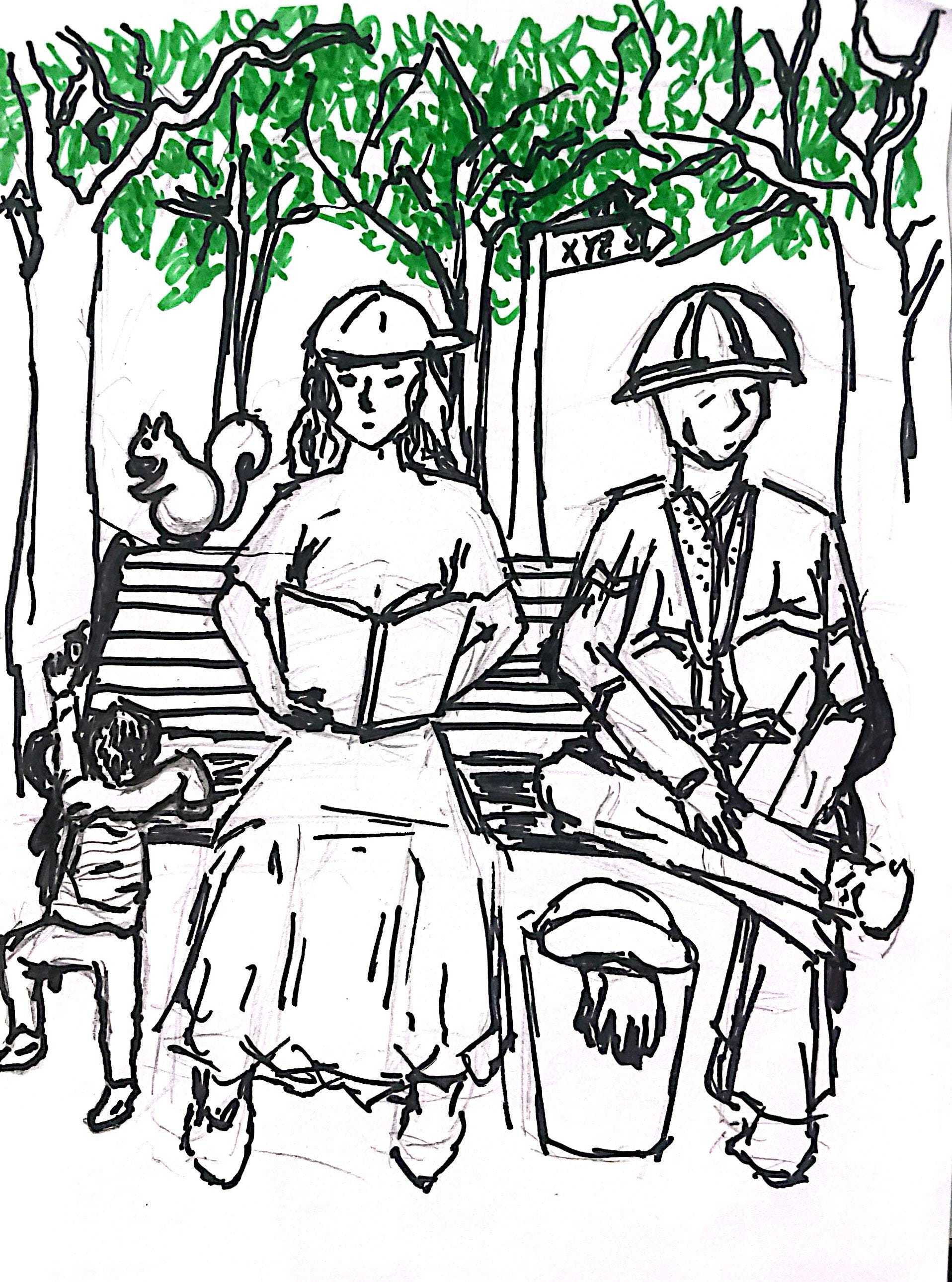
Illustration 01 - Squirrels, kids, workers, students…everyone is welcome to relax under the tree's shade & enjoy the summer afternoon!
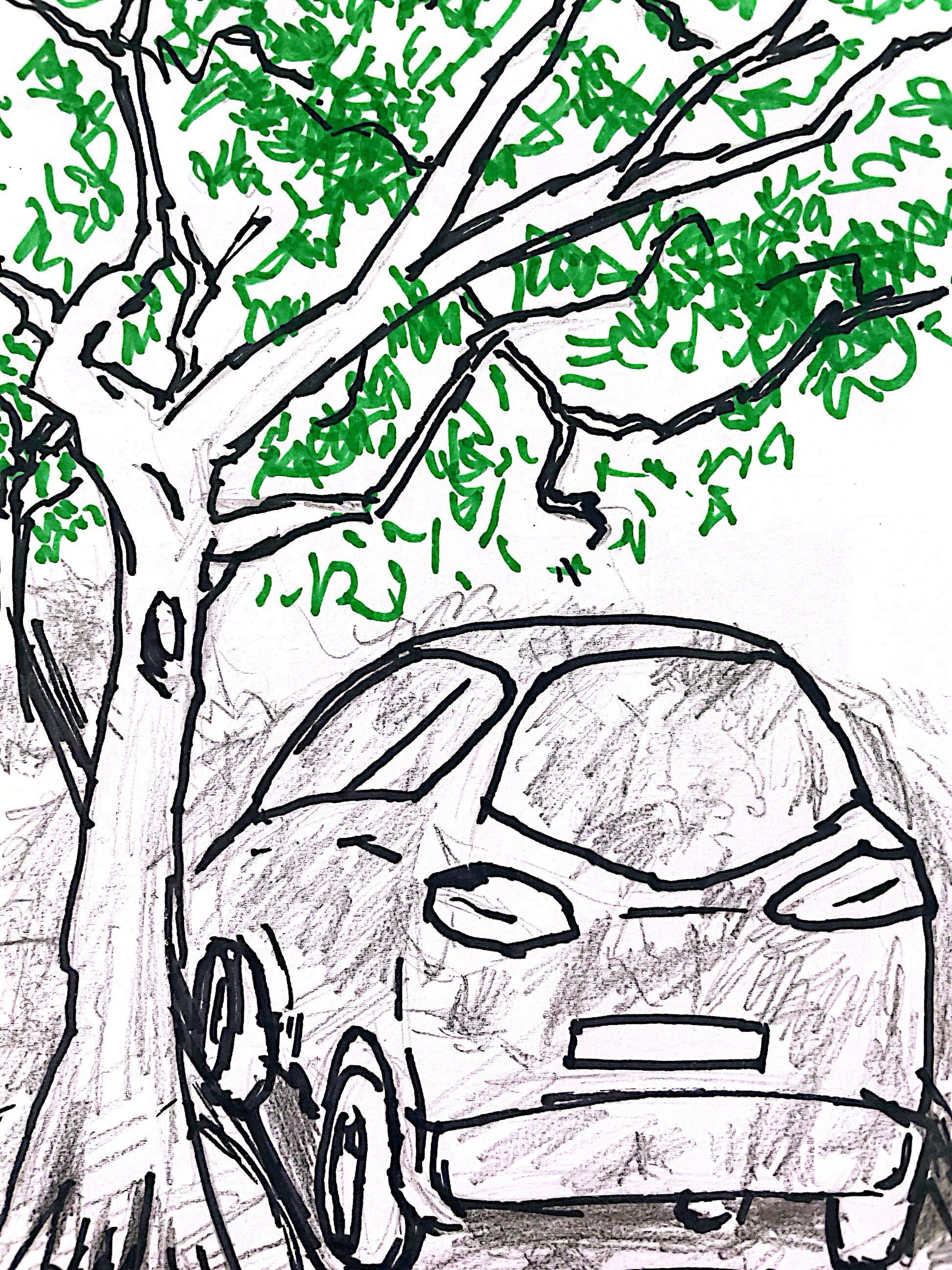
Illustration 02. To prevent cars parking illegally on sidewalks for everyone to feel safe when walking for mothers, elderly, etc. 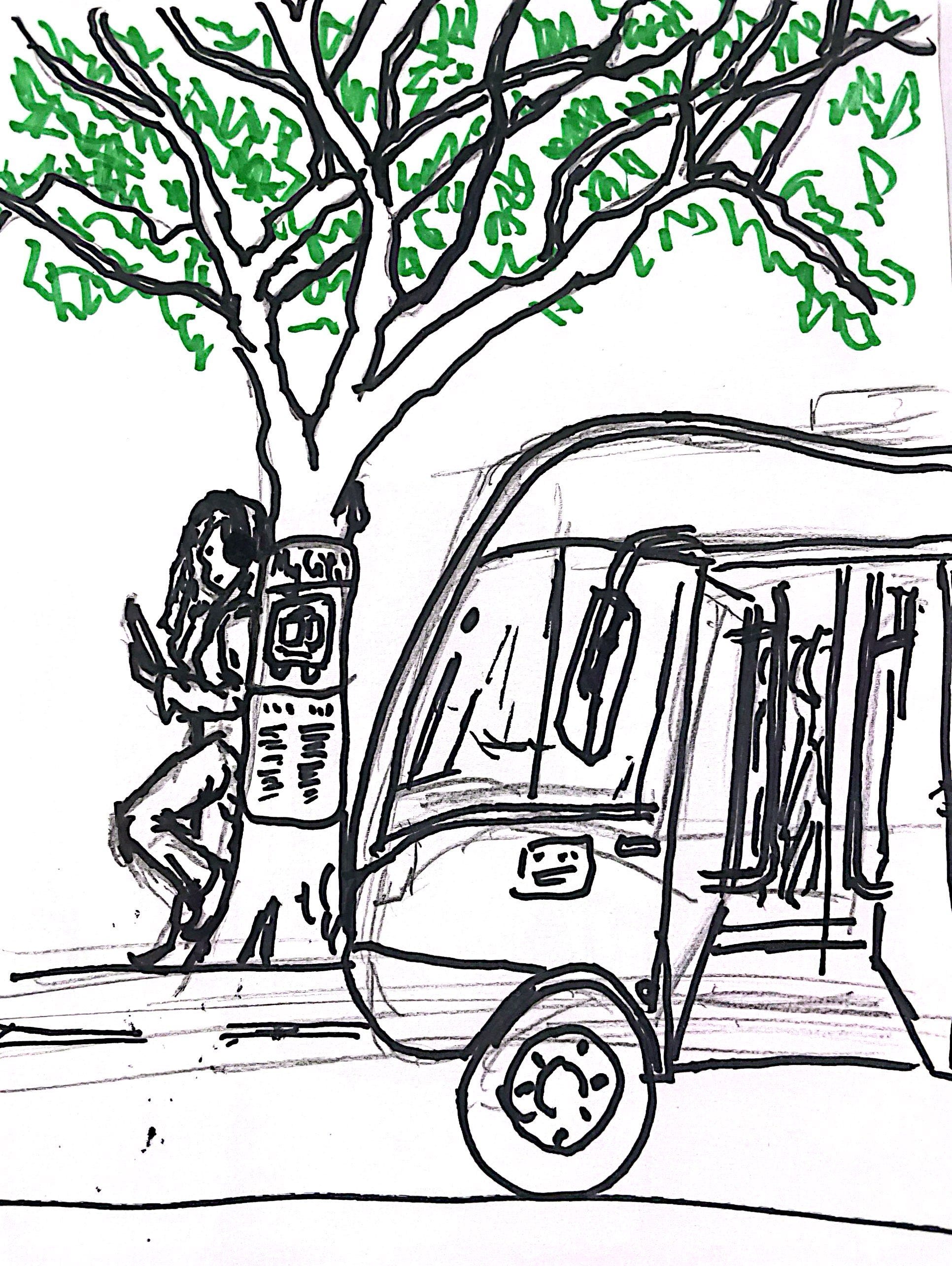
Illustration 3 - Have you seen a bus stop like this? Enjoy the tree's shade while waiting for the MyCiTi bus.
The Adopt A Tree Initiative
The City of Cape Town's Adopt A Tree initiative makes it easy for anyone to help grow our urban forest. Over 500 free trees—ranging from small to large sizes—are available from the Newlands Nursery for planting in your community.
It’s quick and simple: identify a nearby site, complete a short form, and follow easy planting steps provided by the City.
It takes less than 10 minutes! And feel free to add your site to our map for us to collectively to document and trek the process. Please make sure you adhere to the cities rules:
Keep it off the curb: Your tree must be planted at least 1.5 metres away from the curb to prevent root damage to roads and allow space for pedestrians.
Mind the spacing: Trees should be spaced 5 to 10 metres apart along road reserves. The exact distance depends on the species and the space available.
Avoid street corners: No trees should be planted within 10 metres of a street intersection, to preserve visibility and safety for drivers and pedestrians.
Steer clear of utilities: Maintain a 2 metre buffer from all structures like fire hydrants, electrical or telecom boxes, drainage points, and support wires.
Don’t crowd buildings: Leave at least 1 metre from any walls or buildings, although this may vary based on tree type.
Mind the lights and poles: Trees should be at least 5 metres away from streetlights or power poles to prevent interference as they grow.
Avoid driveways: Don’t plant within 3 metres of any driveway—roots and branches can quickly become an obstruction.
Keep road signs visible: Stay at least 5 metres away from any road signage so your tree doesn’t block important information.
Watch for underground and overhead services: Make sure you don’t plant where roots or branches could interfere with pipes, cables, or overhead lines.
Very NB: Add 80 litres of water per week for the first year and then after 12 months 80 litres every second week for 2 years.
Planting with Purpose
Whether you're a school, company, family, church, or just a group of neighbours—this is a simple, meaningful way to bring people together. A tree can be more than just green—it can mark a birth, a marriage, a graduation, a friendship, or any moment that matters.
So why not plant with intention? Let it grow alongside your story.
Take Action & Share Your Story
Start today, enjoy the process, and inspire others. Share your journey on Instagram by tagging us at @young_urbanists and tag #AdoptATreeCPT.
Young Urbanists and friends are fuelled by passion; every bit counts, whether through new individual memberships (that will always be free), organisational membership, Patreon membership (for those individuals with extra Rands, Euro’s that want to support a specific urban theme), project adoptions or any plain simple donations (email us). Please consider contributing to:
Thank you so much. Yours in greener, saver and people-first streets,
Roland Postma, and Friends
Oh, and one last request: please consider subscribing, with the option to become a paid subscriber to support our work.